

By: Logan Christensen
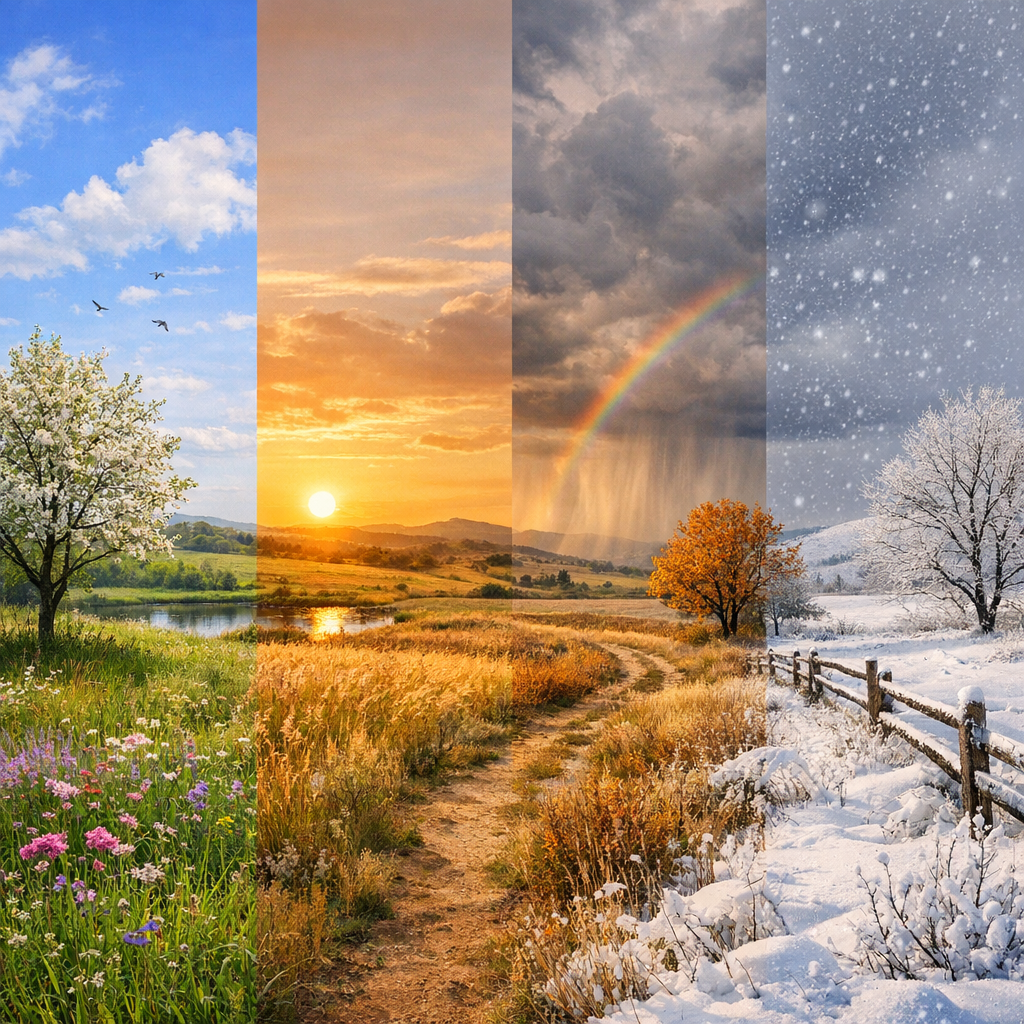
Bismarck sees all four seasons in dramatic fashion—cold winters, variable springs, warm summers, and crisp falls. But alongside the familiar patterns, subtle shifts in climate are underway. Here’s how today’s weather trends and environmental changes are reshaping local rhythms.
Year-Round Snapshot: What the Climate Looks Like
The Bismarck area is defined by its continental climate: large swings in temperature across seasons, relatively low humidity, plenty of sunshine, and irregular precipitation spread throughout the year. Winters are cold, summers hot, spring and fall are transitional and sometimes unpredictable. Mean annual temperatures hover around 43°F, with seasonal highs and lows far apart—making each season feel very distinct. Precipitation averages about 19 inches annually, with June often the wettest month. Winters bring snow, but levels and timing can vary greatly. These norms come from long-term data and serve as a baseline for understanding changes.
Seasonal Boundaries: What’s Changing
Growing Season & Frost Dates
The frost-free growing period has been edging longer in recent decades. What used to be a shorter span is now about two weeks longer on average. That shifts what farmers, gardeners, and land managers must plan for. Late spring freezes are still possible, often into late May, while the onset of fall frost tends to move later in September. But that doesn’t mean frost risk is gone—mis-timing can still catch plants off guard.
Warmer Winters & Hotter Summers
Winter temperatures—especially daytime highs—have warmed noticeably more than summer temperatures have. Data show average highs in December-February are several degrees higher now compared to mid-20th century figures. Summers are warming too, though less dramatically. What really stands out is a decline in the number of extremely cold days and an increase in unusually warm nights. Snow may come later or leave earlier in the season.
Precipitation Variability & Extreme Events
While overall rain and snowfall amounts aren’t changing uniformly, the timing, intensity, and distribution of precipitation are becoming more erratic. Heavy spring rains and sudden snow melts increase flood potential. Summer may bring intense thunderstorms, hail, or drought in different years. Drier spells and wetter bursts are becoming part of the new normal.
What These Changes Mean Locally
These shifts already affect Bismarck in several ways:
- Farmers may adjust planting dates, crop selection, or irrigation needs.
- Gardeners could see longer growing windows but also higher risks from heat stress or late frosts.
- Urban planning and infrastructure may need to adapt to heavier precipitation or increased flood risk.
- Winter recreation and wildlife patterns could shift as snow cover, freeze dates, and habitat conditions change.
Keeping Up with the Weather & Environment
For those of us living here, staying attuned to local observations—first snowfall, last freeze, unusually hot or cold spells—adds up over time into a clearer picture than averages alone. Pay attention to:
- Local climate data from weather stations and agricultural offices;
- Frost reports in spring and fall;
- Precipitation spikes and how soil moisture and runoff are behaving; and
- Winter snow depth and arrival times.
As these changes happen gradually, they may not always catch the headlines. But for those who plant, build, or simply live close to the land in Bismarck, even subtle seasonal shifts can make a big difference. Understanding and adapting to them helps us both enjoy and protect our distinctive environment.